There is no question that today we live in a digital world, and almost everything we use in our homes, offices, medical centers, and even automobiles, is largely controlled and run by Bluetooth and WiFi-enabled devices, programs, and applications.
In the medical field, over 3 million patients1 are using devices such as Cardiac Implantable Electronic Devices (CIEDs), as well as 23.4 million patients being remotely monitored2 for chronic conditions with B/P cuffs, scales, and other remote medical monitoring devices.
Remote monitoring devices have become increasingly popular in healthcare, enabling patients to receive continuous care and monitoring outside of physician’s offices and clinics. Therefore, there are some important matters that those in the healthcare field need to be aware of in order to maintain compliance and privacy when it comes to cybersecurity related to patients using remote monitoring devices.
- Unauthorized access & device manipulation – Cybercriminals may attempt to gain unauthorized access to remote devices, allowing them to manipulate or interfere with a device’s functionality. Such unauthorized access could compromise the accuracy of the collected and distributed data, or even disrupt the device’s operation, leading to serious patient harm.
- Data breaches – Patient health data collected by remote devices is financially valuable to some cybercriminals who may target the devices or, more importantly, the networks they connect to in order to steal or exploit this sensitive medical information. In recent years, major hospitals and even small healthcare system data breaches have exposed millions of personal health records3, leading to identity theft, insurance fraud, or other malicious activities.
- Ransomware attacks – Remote devices that are connected to large networks can be susceptible to ransomware attacks. Cybercriminals may encrypt the device’s data or control its functionalities, then demand a ransom from the healthcare provider or system to regain access. These types of ransomware attacks can disrupt a patient’s monitoring or render a device unusable until the ransom is paid. For chronically ill or critically ill patients with monitoring devices this can be detrimental.
Mitigating Risks for RPM Devices
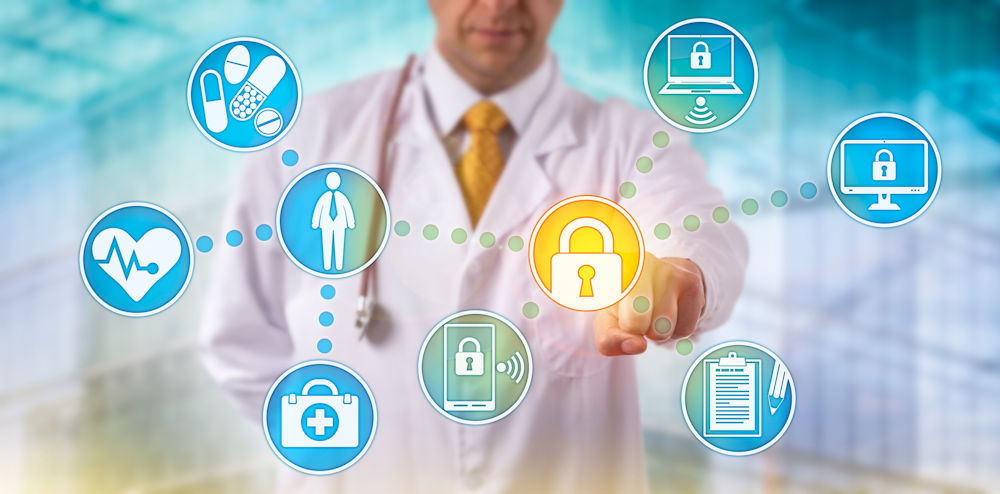
In the face of so much potential cybercrime and data breaches, risks must be mitigated to keep patients safe and the patient data secure. Several measures should be implemented in order to maintain a secure system as much as possible.
- Strong device security — Most of the major remote device manufacturers build their devices with robust safety and security features, including encryption of data, secure authentication mechanisms, and tamper-resistant designs, to name a few. Regular software updates address known vulnerabilities and protect against unanticipated threats.
- Secure communication protocols — Remote devices should employ secure channels when transmitting data to healthcare providers or third-party systems. This can involve encryption, secure protocols, and authentication mechanisms to ensure the privacy and integrity of the data.
- Regular security updates — Manufacturers and healthcare providers should provide regular firmware and software updates for remote devices to address new security vulnerabilities and to patch any weaknesses that cybercriminals could exploit.
- User education — Healthcare providers, as well as patients, need to be informed and have ongoing education about cybersecurity best practices, such as how to identify potential risks, how to secure their devices, and how to recognize signs of cyber threats or device tampering. Patients should be encouraged not to share confidential personal health information with someone they are unfamiliar with and to change any passwords used for communications every few months.
How Cardiac RMS Protects Its Partners’ Patients
Cardiac RMS has been SOC2 certified and compliant for many years and will continue to do so into the future. SOC2 is a voluntary compliance standard developed by the American Institute of CPAs for service organizations. The compliance standard is based upon the following Trust Services Criteria: availability, processing integrity, confidentiality, and privacy. This ensures that Cardiac RMS has the utmost respect for patient data and prioritizes strict security measures.
Our highly-trained and certified staff are closely vetted and aware of potential risks in order to report any unusual communications or patient data readings.
The device manufacturers with whom we work are cognizant of cybersecurity risks and make every effort to make sure devices are as secure as possible at all times.
It’s important to note that cybersecurity is an evolving field, and cybercriminals are coming up with new ways to breach data and devices almost daily! Staying current and keeping up with the latest developments from cybersecurity professionals and healthcare providers is crucial to ensure patient data security and privacy in remote monitoring devices.